
 chrispeng
 “`html
RFID Technology for Smart Transportation: Intelligent Electronic License Plates and Urban Mobility
Urban vehicle populations continue to grow, making efficient vehicle management a critical component of modern city infrastructure. RFID technology offers a robust solution by enabling rapid, automatic vehicle identification that surpasses traditional methods. The intelligent electronic license plate — combining the visual identification of standard plates with the wireless, long-range, high-speed readability of RFID — is transforming how cities manage traffic flow, toll collection, and security.
By integrating an RFID tag into a vehicle license plate, authorities can link a globally unique identifier to the vehicle’s registration data. When a reader interrogates the tag via radio waves, it instantly retrieves not just the plate number but also detailed information about the vehicle and its owner. This creates a tamper‑proof, real‑time data layer that supports everything from toll collection to stolen vehicle recovery.
How Intelligent Electronic License Plates Work
An intelligent electronic license plate is essentially a standard plate embedded with or accompanied by an RFID inlay. The inlay contains a chip that stores encrypted data, such as the vehicle identification number (VIN), plate number, owner details, and registration status. A RFID reader sends a signal to the tag, which responds with its stored data. This exchange happens in milliseconds and can be performed at distances of up to 10–20 meters, even at highway speeds.
The system relies on UHF (Ultra High Frequency) RFID, typically operating in the 860–960 MHz band. This frequency range offers the optimal balance between read range and resistance to interference from metal and other vehicles. The tag’s unique ID is factory‑programmed and cannot be altered, making electronic license plates virtually impossible to clone or counterfeit — a significant upgrade over traditional plates that can be easily faked.
Core Functions of an RFID Electronic License Plate System
1. Vehicle Information Management
Fixed or handheld readers can instantly verify a vehicle’s registration status, inspection record, emissions compliance, and insurance validity. This capability is crucial for law enforcement checkpoints and automated compliance monitoring.
2. Customs and Electronic Gate Management
At ports and border crossings, RFID readers automatically capture vehicle and cargo data as trucks pass through gates. This eliminates manual checks, reduces wait times, and enhances security by cross‑referencing the tag data with customs databases in real time.
3. Electronic Toll Management
Highway tolling is one of the most mature RFID applications. Vehicles equipped with electronic license plates pass through toll zones at normal speed while readers deduct tolls automatically. This delivers measurable benefits: reduced congestion, lower fuel consumption, and no need for cash or cards.
4. Traffic Status Management
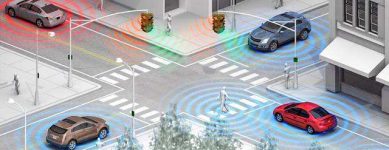
RFID readers placed along roadways provide granular traffic flow data. By capturing tag reads at multiple points, traffic management centers can calculate speed, density, and travel times. This data feeds into adaptive traffic signal systems and BRT (Bus Rapid Transit) dispatch optimization.
Real‑World Applications and Industry Use Cases
The adoption of RFID electronic license plates spans multiple verticals:
- City Tolling & Congestion Pricing: London, Singapore, and several Chinese cities use RFID to enforce congestion charges. The system automatically bills vehicles entering designated zones, encouraging public transit use and reducing downtown traffic.
- Parking Management: Airports, shopping malls, and corporate campuses deploy RFID readers at entry/exit points. Vehicles with electronic plates get barrier‑free access, and billing is handled digitally. This reduces queue times and eliminates ticket loss.
- Fleet & Logistics: Trucking companies use RFID readers at depots and distribution centers to track vehicle movements, monitor driver compliance, and automate gate entry. The technology integrates seamlessly with warehouse management systems (WMS) and transportation management systems (TMS).
- Law Enforcement & Security: Police vehicles equipped with mobile RFID readers can scan passing traffic for stolen vehicles, expired registrations, or warrants — all without stopping the target vehicle.
Product Selection Guidance: Choosing the Right Components
When building an RFID‑based intelligent transportation system, selecting the correct hardware is critical. Here are key considerations:
RFID Tags
For vehicle applications, tags must be weather‑resistant, UV‑stable, and able to be mounted on metal or glass. Custom RFID stickers offer a low‑profile, durable option that can be affixed to windshields or license plates. For long‑life applications (e.g., toll transponders), consider epoxy‑encapsulated tags rated for outdoor use. The tag’s read range and memory capacity should match the use case: simple tolling requires only a unique ID, while compliance checks may need writable memory for inspection stamps.
RFID Readers
Fixed readers for gantry or gate applications should offer high‑gain antennas, IP65+ enclosures, and support for multiple protocols (EPC Gen2, ISO 18000‑6C). Industrial RFID readers with adjustable power output (up to 30 dBm) can achieve read ranges of 15–20 meters. For mobile enforcement, handheld readers with integrated GPS and cellular backhaul enable real‑time data transmission. As a reliable RFID reader manufacturer, we recommend evaluating read speed (tags per second), frequency hopping support, and integration capabilities with existing traffic management software.
Tag Selection Considerations
For personnel identification within transportation hubs or fleet maintenance yards, RFID tags on clothes (e.g., wristbands, badge inserts) can be used for access control and tracking. While not directly a vehicle application, integrating personnel and vehicle tracking under a single RFID ecosystem improves facility security and operational efficiency.
For NFC‑based vehicle access (e.g., smartphone‑enabled car sharing), understanding the differences between chip types is important. Our comparison of NTAG213 vs NTAG215 explains memory capacity, read range, and security features — critical factors when selecting tags for short‑range, consumer‑facing applications like keyless entry or digital wallet integration.
Deployment Considerations from a Manufacturer Perspective
Rolling out an RFID electronic license plate system involves more than just hardware. Here are practical deployment factors:
- Regulatory Compliance: UHF RFID frequencies vary by country (e.g., 915 MHz in the Americas, 866 MHz in Europe). Ensure tags and readers comply with local spectrum regulations.
- Integration with Existing Systems: The RFID middleware must interface with DMV databases, tolling platforms, and traffic control centers. APIs and data format standards (e.g., JSON, XML) should be specified early.
- Redundancy and Reliability: Mission‑critical tolling requires failover readers and power backup. Redundant reader installations at gantries ensure 99.9% uptime.
- Privacy and Security: Data transmitted between tag and reader should be encrypted. The tag’s unique ID is just a number — it should never contain personally identifiable information (PII) in plain text.
- Environmental Durability: Readers and tags must withstand temperature extremes, humidity, salt spray (in coastal areas), and vibration. Opt for IP67 or higher enclosures for outdoor readers.
Industry Insights: Retail, Logistics, and Manufacturing Synergies
While smart transportation is the focus, the same RFID infrastructure can serve other verticals:
- Retail & Supply Chain: Delivery trucks equipped with RFID readers can automatically verify cargo at loading docks, reducing theft and mis‑shipments.
- Logistics & Warehousing: RFID gates at warehouse entries capture both vehicle and pallet data, enabling end‑to‑end traceability from supplier to store.
- Manufacturing: In automotive plants, vehicles on the assembly line carry RFID tags that trigger the correct parts and tools at each station. The same tag can later become the vehicle’s electronic license plate — a seamless transition from production to road use.
Frequently Asked Questions (FAQ)
- How does RFID electronic license plate differ from traditional license plate recognition (LPR)?
LPR uses cameras and image processing, which can be affected by lighting, weather, and physical obstructions. RFID uses radio waves and is not impacted by visibility conditions, offering higher accuracy and read reliability even in rain, fog, or direct sunlight. - Can an RFID electronic license plate be cloned or hacked?
Modern RFID tags use cryptographic authentication and unique, non‑reprogrammable IDs. Even if tag data is intercepted, it cannot be used to clone the tag without changing its chip. This makes electronic license plates significantly more secure than visual plates. - What is the read range of a typical RFID electronic license plate system?
For UHF passive tags, read range is typically 5–15 meters with a fixed reader and high‑gain antenna. Active tags (with battery) can achieve ranges of 30–100 meters, though they are more expensive and require battery replacement. - What is the cost of implementing an RFID electronic license plate system?
Costs vary widely based on scale. A single‑lane toll reader costs approximately $1,500–$3,000, while tags cost $0.50–$3.00 each (passive). System‑wide deployments including software, installation, and integration can range from $500,000 for a small city to tens of millions for a national rollout. - How does weather affect RFID performance?
UHF RFID can be degraded by heavy rain or snow, but modern readers use adaptive power control and frequency hopping to maintain performance. Tags mounted on vehicles are generally protected by the vehicle’s structure and remain reliable in all weather conditions. - Can RFID electronic license plates be used for electric vehicle (EV) charging billing?
Yes. The same tag that enables tolling can also link to an EV charging station, automatically authorizing the session and billing the vehicle owner — no credit card or app required. - What is the expected lifespan of an RFID tag on a vehicle?
Passive UHF tags have no battery and can last 10+ years. Durability depends on the encapsulation material (e.g., epoxy vs. plastic) and exposure to UV. Most manufacturers warrant tags for 5–10 years. - How does a city transition from traditional plates to electronic license plates?
A phased approach is recommended: new vehicles get electronic plates immediately, while existing vehicles receive tags during renewal or inspection. Readers are installed first at high‑priority locations (toll booths, ports, major intersections) and expanded over time.
Conclusion
RFID technology is not just an incremental improvement — it’s a paradigm shift for urban transportation management. Intelligent electronic license plates deliver accuracy, speed, and security that video‑based systems cannot match. For manufacturers, system integrators, and city planners, the path forward is clear: invest in robust RFID hardware, prioritize interoperability, and deploy solutions that can scale from a single toll lane to a nationwide smart city infrastructure. Whether for tolling, enforcement, or traffic optimization, RFID is the foundation of truly smart transportation.
“`